Business Name: BeeHive Homes of Albuquerque West
Address: 6000 Whiteman Dr NW, Albuquerque, NM 87120
Phone: (505) 302-1919
BeeHive Homes of Albuquerque West
At BeeHive Homes of Albuquerque West, New Mexico, we provide exceptional assisted living in a warm, home-like environment. Residents enjoy private, spacious rooms with ADA-approved bathrooms, delicious home-cooked meals served three times daily, and the benefits of a small, close-knit community. Our compassionate staff offers personalized care and assistance with daily activities, always prioritizing dignity and well-being. With engaging activities that promote health and happiness, BeeHive Homes creates a place where residents truly feel at home. Schedule a tour today and experience the difference.
6000 Whiteman Dr NW, Albuquerque, NM 87120
Business Hours
Monday thru Saturday: 10:00am to 7:00pm
Facebook: https://www.facebook.com/BeehiveABQW/
Moving a moms and dad or partner from the familiarity of home to assisted living is one of those choices you feel in your bones. It is logistical, monetary, and psychological at one time. Households often explain it as a season of 2nd guesses. Are we moving too soon, or far too late? Will they feel deserted? What if we choose the wrong location? After years dealing with families on these moves and walking my own relatives through them, I can inform you the concerns are typical. The key is to trade panic for preparation and to deal with the shift as a procedure, not a weekend chore.
This guide offers a useful, experience-based course forward. It mixes a checklist state of mind with the subtlety that real life demands. You will discover concrete actions for selecting the ideal neighborhood, planning finances, gathering medical documentation, downsizing with self-respect, and setting your loved one up for early wins. You will also discover workarounds for typical sticking points, from family differences to cognitive modifications that make brand-new environments harder to navigate.
What "assisted living" actually provides
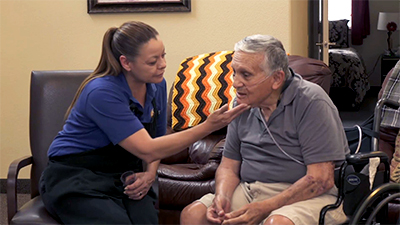
Families typically show up with various meanings. Some believe assisted living is basically a retirement resort with assistance "if needed." Others assume it is one step shy of a nursing home. The reality beings in the middle. Assisted living is created for older grownups who want private homes and a social environment, and who require aid with activities of daily living like bathing, dressing, medication management, and meals. Lots of neighborhoods now use tiers: basic assisted living for those requiring light to moderate assistance, memory look after residents with Alzheimer's or other dementias who benefit from protected settings and specialized shows, and short-term respite take care of trial stays or caretaker breaks.
A solid neighborhood does not replace hospitals or proficient nursing centers. Think of it as a safe, staffed neighborhood with on-call aid, dining, house cleaning, set up transportation, and activities. If your loved one requires round-the-clock nursing or complex wound care, look carefully at whether the neighborhood can extend to satisfy those requirements or if another level of care is better. Households who match requirements to services early on save themselves disruptive transfers later.
Signs it may be time to move
You hardly ever get a flashing sign that says "now." You get a string of smaller signals. Refrigerators with ended food. Missed medication doses. A fender-bender in a familiar parking area. Increasing falls or "near falls." Isolation after a partner dies. Care needs that outpace what one adult kid can do after work. A police welfare check after the phone goes unanswered for a day. One signal alone might not call for a relocation. A cluster typically does.
I typically ask households to track modifications for a few weeks. Make a note of incidents, not to frighten yourself, but to recognize patterns and to assist your loved one see what has actually changed. Data premises tough discussions. It also assists a neighborhood determine the right care plan on day one.
The early conversations: truthful and ongoing
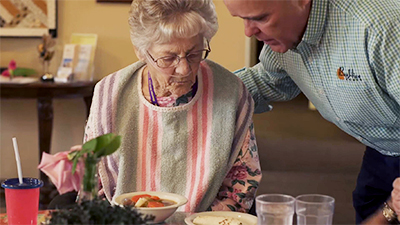
Families sometimes avoid hard talks out of worry of distressing a parent. The absence of a conversation is not neutral. It leaves adult children to make hurried choices after a fall or healthcare facility stay. A much better approach is to start easy and early. "If you ever decide your home is excessive, what would feel most comfy to you?" "If you required assist with medications, where would you desire that to happen?" These openers welcome choices while timing is still flexible.
Expect some resistance. A lot of older adults do not want to lose control over where they live. Highlight that assisted living preserves independence by moving tasks that have become risky or stressful. Let them take part in trips, meal tastings, and activity calendars. If cognitive modifications exist, keep options short and concrete. Show two choices rather than 5. When families show, not simply tell, stress and anxiety often eases.
Choosing the right fit: beyond the brochure
Photos of sunrooms and smiling residents are the simple part. Fit reveals itself in the details. Visit communities at various times, including nights and weekends. Observe how personnel communicate throughout busy hours. Are greetings warm since it is a tour, or exists a standard of everyday compassion? See a meal service. Talk with existing homeowners without personnel hovering. Ask to see a system like the one that would be offered, not just the staged model.
When your loved one has cognitive disability, the memory care environment matters as much as the program. Look for protected outside spaces, foreseeable daily routines, and activities that are sensory-rich without being infantilizing. Inquire about personnel training in dementia interaction methods. For locals prone to wandering, ask how the group balances safety with flexibility of motion. For those who become distressed in groups, try to find quiet corners and small-format activities.
Short-term respite care can function as a low-risk trial. A one to four week stay introduces the rhythms of the community and gives staff an opportunity to find out preferences. Some residents who swear they will "never ever move" change their minds after experiencing the relief of not cooking or worrying about night-time safety.
Financing the relocation without tunnel vision
Sticker shock is common. Month-to-month costs differ commonly by area and level of care. In the majority of markets you will see ranges from the low thousands to more than ten thousand dollars, especially if care requirements are extensive. Concentrate on total expense, not just base rent. Include care level charges, medication management charges, and any à la carte services. Compare to current costs at home, including personal caretakers, home maintenance, energies, groceries, and senior care transportation. I have viewed families discover that a seemingly greater assisted living charge in fact conserves money when 24-hour home care is the alternative.
Long-term care insurance can assist if policies are in force. Benefits typically require that your loved one needs help with a particular number of activities of daily living or has a cognitive disability. Policies differ on removal durations and day-to-day optimums. Veterans and enduring spouses should ask about Aid and Presence advantages. Medicaid support for assisted living differs by state, often through waiver programs. A few families use a bridge method, such as selling a life insurance policy or arranging a short-term loan, to cover a gap until a house sells. Run forecasts for at least three years, longer if possible, and include most likely boosts in care needs. It is better to pick a neighborhood you can afford to remain in than to make a 2nd relocation under financial pressure.
The documentation that smooths the path
Communities will ask for medical assessments, immunization records, medication lists, and advance regulations. Getting these organized before a relocation date lowers delays. If your loved one has professionals, ask each office for the current visit notes and any practical assessments. Ensure legal files like long lasting power of lawyer for healthcare and financial resources are signed and accessible. If those documents do not exist and your loved one still has decision-making capability, prioritize them. Without them, households can find themselves in court for guardianship right when time is tight.
Medication management is worthy of concentrated attention. Bring original prescription bottles to the community's nurse for reconciliation, in addition to a written list keeping in mind dosages and times. Flag any meds that cause lightheadedness or confusion, because the group can time doses to minimize threat. If supplements are important, document brands and reasons. I have seen "harmless" non-prescription sleep help activate daytime fog that leads to preventable falls. Better to examine them with personnel up front.
Downsizing with dignity
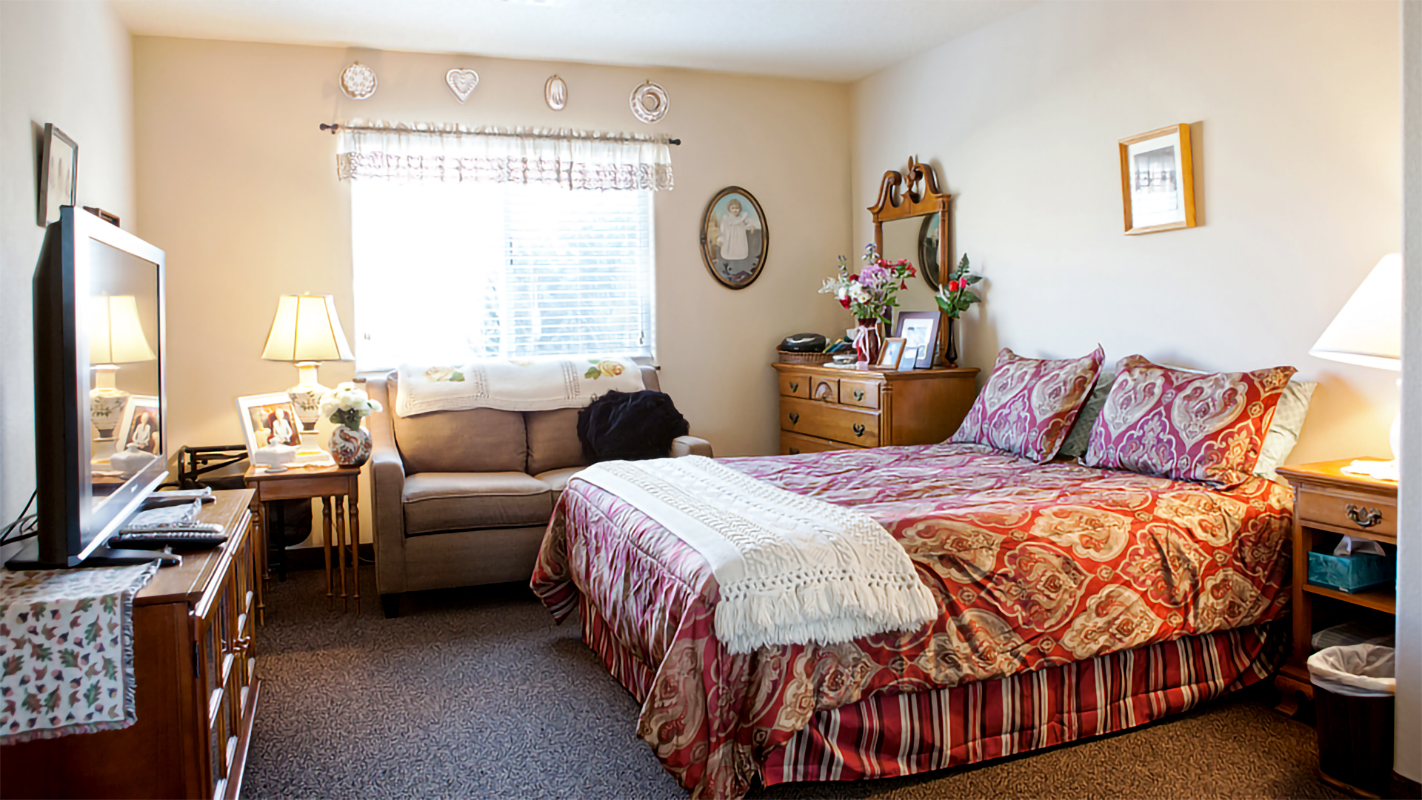
Packing can set off sorrow even for those delighted about the move. You are not just putting objects in boxes, you are compressing years of a life into a smaller sized space. Withstand the urge to do everything in a weekend. Start with duplicates and low-sentiment items. Picture a few big pieces that will not fit and create a little album for the new apartment or condo. Welcome your loved one to select their most meaningful products initially. A favorite chair and throw, the daily mug, the radio with the ballgame, the framed wedding image. When those anchor products arrive on the first day, the house feels familiar faster.
Families often contest what to keep or contribute. Set a guideline: nostalgic beats brand-new. A chipped blending bowl that held every holiday batter outranks the pristine set from the outlet shopping mall. Keep clothes that fits and feels comfy today, not two sizes back. Label drawers and closets clearly to decrease aggravation. If your loved one has memory challenges, simplify options. 3 sets of trousers that blend and match beat crowding a closet with choices they will never ever touch.
The logistics of move-in day
Treat move-in like a three-act day: setup, settle, and socialize. Setup comes from the family. Get here early and stage the room to look lived-in, not showroom crisp. Make the bed with familiar linens. Stock the restroom with favored toiletries on visible racks. Place the television remote where it constantly sits, and set the preferred channels as presets. Put snacks and a water bottle within reach. Place a little clock and large-print calendar on the nightstand. Tape a day-to-day routine card inside a cabinet door, listing breakfast time, medication rounds, and two or three activities your loved one might enjoy.
Settle is for your loved one. Let them explore the brand-new area without commentary. If possible, consume the very first meal together in the dining-room and satisfy the neighbors at surrounding tables. Personnel can help with early introductions. Encourage your loved one to unload a small box themselves to create a sense of agency.
Socialize is gentle, not forced fun. A short activity, a tour of the garden, a visit to the library nook. If your loved one is shy, individually introductions to two individuals are much better than a full group. For those moving to memory care, shorter exposures with a warm handoff to personnel decrease overwhelm on day one.
What the personnel requirement to understand that the type will not capture
Intake kinds cover case history and allergies. They do not capture the texture of a life. Make a one-page "About Me" sheet with practical specifics: what makes mornings easier, which foods they love, the songs or television shows that relieve, how they take their coffee, subjects to avoid, and signals of pain or anxiety that they might not verbalize. Add an image from an age they recognize themselves, with a sentence about their life's work or passion.
Behavior has context. The gentleman who "declines showers" every Tuesday may have spent years on a Tuesday morning path as a postal worker. Personnel can move the shower to Wednesday and satisfy less resistance. The previous nurse may become nervous when others seem unhealthy; inviting her to help fold towels can channel that instinct without straining personnel. These little insights build trust faster than any icebreaker game.
Early days and sensible expectations
The very first month frequently sets the tone. Families who visit, however do not hover, tend to see more powerful change. I usually tell adult kids to choose a consistent cadence, for instance every other day for the first week, then taper. Long everyday sees can develop a "split obligation" that confuses staff roles and slows bonding with brand-new regimens. Short, positive sees that end before fatigue strikes leave a better aftertaste. It is human to want to rescue a moms and dad who states "take me home." Listen with compassion, show sensations, and shift toward something concrete and comforting: a walk, a snack, a photo album. Many citizens shift from protest to acceptance within a couple of weeks daily rhythms feel predictable.
Expect some bumps: lost products, a mix-up at dinner, a missed out on activity your loved one wanted to try. Report problems without delay and respectfully. The very best communities react fast, and they appreciate specifics. If a pattern repeats, demand a care strategy gather with the nurse and the director. Clear, early interaction averts larger problems.
Health shifts within the housing transition
Moves can briefly interfere with health routines. Appetite modifications prevail. Hydration typically drops. Sleep can fragment in a new room. Medication timing may change. Ask staff to look for peaceful red flags like constipation or urinary pain that can masquerade as confusion. If a health center visit happens right after a move, consider a return via respite care to rebuild regimens before stepping back into complete independence.
For homeowners with dementia, a change of environment can get worse confusion for a week or two. Familiar cues help: family pictures at eye level, a constant everyday schedule, clothing set out in the same order each early morning, a scented cream used at bedtime. Personnel trained in memory care will steer interactions toward recognition rather than correction, which keeps agitation lower. If the community uses a specialized memory program, take advantage of it early. Waiting months loses the window when practices are still forming.
The role of family after move-in
You do not relinquish your role by changing addresses. You evolve it. You end up being the historian, the supporter, the visitor who brings outside life in. Go to care plan meetings. Keep a running note pad of questions and observations so you can raise them efficiently. If you live far away, ask the neighborhood about regular virtual check-ins. If brother or sisters share choices, appoint clear functions to avoid duplication and blended messages.
Consider appointing a household point individual to interface with personnel. Too many cooks cause confusion. Big households often develop a shared calendar for check outs and errands so the load is spread and your loved one sees familiar faces across the week. When disagreements surface area, frame decisions around the person's worths, not the loudest viewpoint in the room. The goal is not to win. It is to match care to the person's identity and needs.
Safety, autonomy, and the art of compromise
The heart of assisted living is the balance in between safety and autonomy. You can not bubble-wrap a life. Overprotection types resentment and atrophy. Underprotection welcomes damage. Households who do finest lean into negotiated risks. If your father insists on strolling the garden course without a walker, collaborate with staff on a strategy: certain times of day, a staff member watching from a range, or a compromise on route length. If your mother loves sugary foods however has diabetes, deal with the dining group to weave treats into a carb-aware plan instead of prohibiting desserts and inviting rebellion.
Risk discussions feel easier when recorded in the care strategy. Communities frequently use negotiated danger arrangements for exactly these circumstances. They clarify what the resident comprehends, where the threats lie, and how staff will alleviate them. This transparency helps everybody sleep better.
Using respite care strategically
Respite care is not only for caregivers burning out in the house. It is an underused tool for shift. I have seen three typical, effective usages. First, a prepared respite stay after a healthcare facility discharge to restore strength with personnel assistance, rather of going directly back to an empty home. Second, a "try before you move" remain that presents regimens and peers with no long-lasting dedication. Third, a yearly arranged break for household caretakers to reset, with the included benefit that each stay makes the neighborhood feel more like a 2nd home if a long-term move ends up being necessary.
Ask about respite availability well ahead of time. Excellent neighborhoods fill rapidly, particularly throughout holiday seasons when households travel. Guarantee your files and medications are ready so you are not rushing 2 days before admission.
A compact, high-impact pre-move checklist
- Clarify needs and objectives, consisting of whether assisted living, memory care, or a respite care trial best matches current challenges. Run a three-year financial strategy, covering base rent, care levels, likely boosts, and options like in-home take care of comparison. Assemble documents: medical summaries, medication list, immunizations, advance directives, and powers of attorney. Tour two to 4 neighborhoods at diverse times, speak to citizens and personnel, and validate staffing patterns and training. Plan the move: select anchor items, label belongings, prepare an "About Me" sheet, and schedule gos to for the first two weeks.
Troubleshooting common roadblocks
Resistance rooted in identity is one of the toughest difficulties. When a retired instructor fears being treated like a child, show her the book club and ask the activities director to invite her to read aloud for a brief sector. When a former Marine balks at rules, emphasize the freedom of not depending on family schedules and the friendship of peers with similar life stories. Customizing the message to lived experience is more convincing than logic alone.
Conflicted siblings can stall a move past the safe window. One useful step is to generate a neutral professional, such as a geriatric care supervisor, to assess needs and present options. Data reduces the temperature. If one brother or sister is local and overwhelmed, and another is far-off and doubtful, create a time-limited strategy: attempt assisted living for 60 days with specific goals and criteria for success. Concur in writing to reassess together.
Sudden health declines around the move are not unusual. When that takes place, ask the community and your doctor to coordinate. It may indicate stepping temporarily into a higher care tier or including physical therapy on website. The concern to hold is not "Did we slip up by moving?" however "What do we need to stabilize and assist them adjust now?" Looking forward beats relitigating the past.
Building a new normal
The best transitions are not measured by how quickly boxes unload. They are measured day by day your loved one discusses a favorite server by name, or asks you to bring a pal to see the garden, or grumbles about chair yoga however goes anyhow. Those are indications of a life settling. Help that along by bringing familiar rituals into the new setting. If Sundays always suggested a crossword puzzle and a long call with a grandchild, keep that time sacred. Encourage personnel to knock before getting in to appreciate the sense of home. Little courtesies bring outsized weight.
Communities grow when families deal with personnel as partners. Discover names. Leave thank-you notes for particular compassions. If your loved one shares applaud, pass it along to the director so it enters into a staff file. Retention matters, and gratitude helps excellent individuals stay.
When requires change
No plan stays static. A resident may require to step up from assisted living to memory care, or to include short-term nursing assistance after a health occasion. Some communities use a continuum within one campus, making relocations less disruptive. If a transfer is required, use the same principles that made the first move smoother: front-load familiar items, quick staff with the "About Me" sheet, and reestablish routines quickly. If financial resources tighten, speak early with the administrator about choices. An unexpected variety of communities will deal with long-standing citizens to bridge short-term gaps.
A last word on guts and care
Families frequently tell me the hardest part was deciding. The 2nd hardest was beginning. Everything after that felt like a series of manageable actions. You do not need to get every piece best. You do need to keep the individual at the center of the strategy, not the furnishings, not the documentation, not anybody's pride. Assisted living, memory care, and respite care are tools. Used attentively, they safeguard security, eliminate the grind that uses households down, and bring back parts of life that have been ejected by concern. The objective is not to remove aging. It is to include comfort, connection, and dignity across the days ahead.
BeeHive Homes of Albuquerque West provides assisted living care
BeeHive Homes of Albuquerque West provides memory care services
BeeHive Homes of Albuquerque West provides respite care services
BeeHive Homes of Albuquerque West offers support from professional caregivers
BeeHive Homes of Albuquerque West offers private bedrooms with private bathrooms
BeeHive Homes of Albuquerque West provides medication monitoring and documentation
BeeHive Homes of Albuquerque West serves dietitian-approved meals
BeeHive Homes of Albuquerque West provides housekeeping services
BeeHive Homes of Albuquerque West provides laundry services
BeeHive Homes of Albuquerque West offers community dining and social engagement activities
BeeHive Homes of Albuquerque West features life enrichment activities
BeeHive Homes of Albuquerque West supports personal care assistance during meals and daily routines
BeeHive Homes of Albuquerque West promotes frequent physical and mental exercise opportunities
BeeHive Homes of Albuquerque West provides a home-like residential environment
BeeHive Homes of Albuquerque West creates customized care plans as residents’ needs change
BeeHive Homes of Albuquerque West assesses individual resident care needs
BeeHive Homes of Albuquerque West accepts private pay and long-term care insurance
BeeHive Homes of Albuquerque West assists qualified veterans with Aid and Attendance benefits
BeeHive Homes of Albuquerque West encourages meaningful resident-to-staff relationships
BeeHive Homes of Albuquerque West delivers compassionate, attentive senior care focused on dignity and comfort
BeeHive Homes of Albuquerque West has a phone number of (505) 302-1919
BeeHive Homes of Albuquerque West has an address of 6000 Whiteman Dr NW, Albuquerque, NM 87120
BeeHive Homes of Albuquerque West has a website https://beehivehomes.com/locations/albuquerque-west/
BeeHive Homes of Albuquerque West has Google Maps listing https://maps.app.goo.gl/R1bEL8jYMtgheUH96
BeeHive Homes of Albuquerque West has Facebook page https://www.facebook.com/BeehiveABQW/
BeeHive Homes of Albuquerque West won Top Assisted Living Homes 2025
BeeHive Homes of Albuquerque West earned Best Customer Service Award 2024
BeeHive Homes of Albuquerque West placed 1st for Senior Living Communities 2025
People Also Ask about BeeHive Homes of Albuquerque West
What is BeeHive Homes of Albuquerque West monthly room rate?
Our base rate is $6,900 per month, but the rate each resident pays depends on the level of care that is needed. We do an initial evaluation for each potential resident to determine the level of care needed. The monthly rate is based on this evaluation. We also charge a one-time community fee of $2,000.
Can residents stay in BeeHive Homes of Albuquerque West until the end of their life?
Usually yes. There are exceptions, such as when there are safety issues with the resident, or they need 24 hour skilled nursing services.
Does Medicare or Medicaid pay for a stay at Bee Hive Homes?
Medicare pays for hospital and nursing home stays, but does not pay for assisted living as a covered benefit. Some assisted living facilities are Medicaid providers but we are not. We do accept private pay, long-term care insurance, and we can assist qualified Veterans with approval for the Aid and Attendance program.
Do we have a nurse on staff?
We do have a nurse on contract who is available as a resource to our staff but our residents' needs do not require a nurse on-site. We always have trained caregivers in the home and awake around the clock.
Do we allow pets at Bee Hive?
Yes, we allow small pets as long as the resident is able to care for them. State regulations require that we have evidence of current immunizations for any required shots.
Do we have a pharmacy that fills prescriptions?
We do have a relationship with an excellent pharmacy that is able to deliver to us and packages most medications in punch-cards, which improves storage and safety. We can work with any pharmacy you choose but do highly recommend our institutional pharmacy partner.
Do we offer medication administration?
Our caregivers are trained in assisting with medication administration. They assist the residents in getting the right medications at the right times, and we store all medications securely. In some situations we can assist a diabetic resident to self-administer insulin injections. We also have the services of a pharmacist for regular medication reviews to ensure our residents are getting the most appropriate medications for their needs.
Where is BeeHive Homes of Albuquerque West located?
BeeHive Homes of Albuquerque West is conveniently located at 6000 Whiteman Dr NW, Albuquerque, NM 87120. You can easily find directions on Google Maps or call at (505) 302-1919 Monday through Sunday 10am to 7pm
How can I contact BeeHive Homes of Albuquerque West?
You can contact BeeHive Homes of Albuquerque West by phone at: (505) 302-1919, visit their website at https://beehivehomes.com/locations/albuquerque-west/,or connect on social media via Facebook
Mariposa Basin Park offers a quiet neighborhood setting well suited for elderly care residents participating in assisted living or respite care activities.